

The scope of DTF applications is also expected to expand. Beyond textiles, DTF printers may find increased use in sectors such as packaging, accessories, and even electronics. This versatility will broaden the technology’s industrial footprint and open new opportunities for innovation.

Additionally, advancements in artificial intelligence and automation will help streamline production workflows. Reduced manual intervention and improved precision will enhance efficiency. As these technologies integrate further, DTF printing is poised to transform the customization landscape.
Deciding whether a DTF printer is right for your business involves evaluating a few key factors. Start by considering your production volume and budget. DTF printers are particularly beneficial for businesses that focus on customized apparel and need flexible, on-demand printing capabilities.
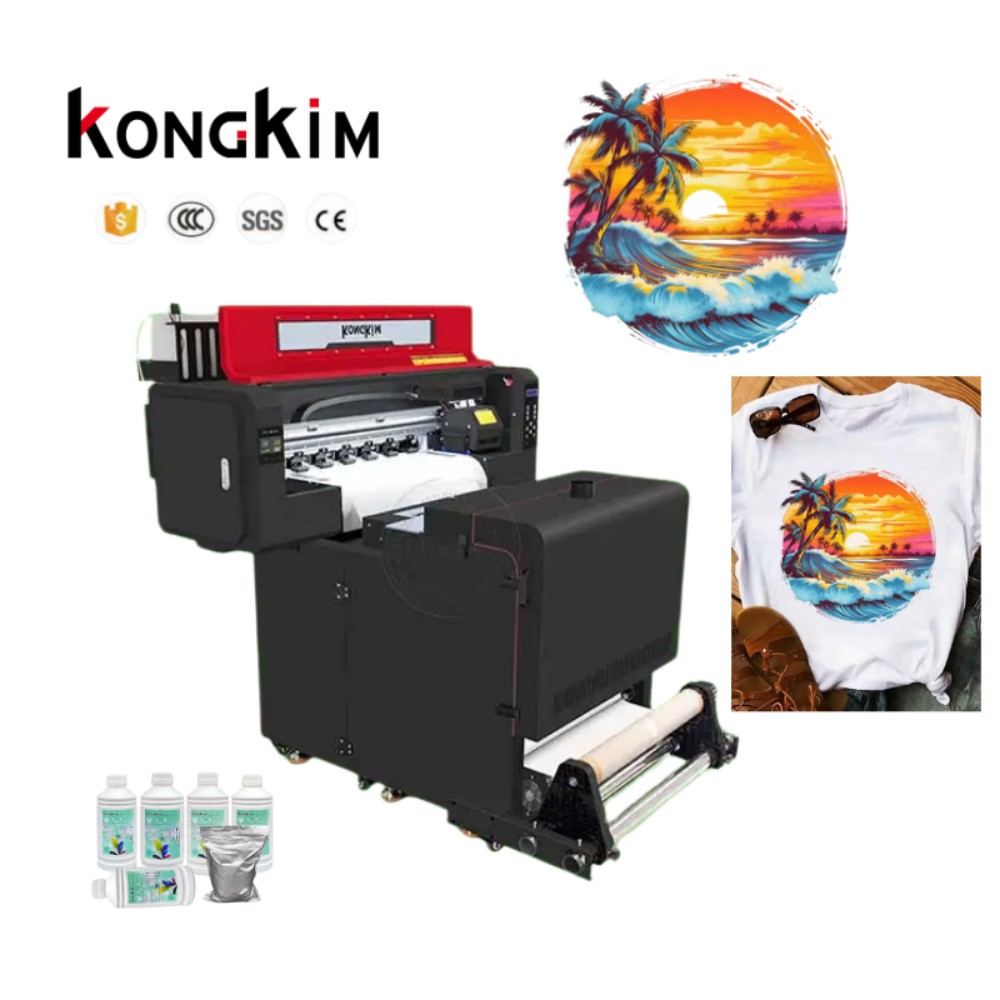
You should also assess the types of fabrics you plan to work with. DTF technology performs well on cotton, polyester, and fabric blends, making it a versatile option that can meet a wide range of customer needs.
Finally, consider long-term benefits such as durability and print quality. If these factors align with your goals, a DTF printer can be a highly valuable investment. The right choice could transform your printing capabilities and expand your creative possibilities.

Conclusion
Choosing the right DTF printer depends on your production needs, budget, and long-term business goals. Whether you are launching a small custom apparel store or expanding a large print operation, a high-quality DTF system can significantly boost your efficiency, print quality, and profitability.

Post time: Mar-03-2026


